
3 learners enrolled
all-levels
This course includes
- — on-demand video
- Access on mobile & desktop
- Full lifetime access
- Certificate of completion
Course content
5 sections · 70 lectures
- Lec 01: Introduction to linear wave shaping, RC network with Sinusoidal Preview
- Lec 02: Low Pass RC network with Step input
- Lec 03: Expression for Rise time and its relation with 3 dB frequency
- Lec 04: Low pass RC network with Pulse input
- Lec 05: Low pass RC network with square wave input
- Lec 06: Low pass RC network with ramp input
- Lec 07: Low pass RC network with exponential input
- Lec 08: Low pass RC circuit as integrator
- Lec 09: Problems on Low pass RC network
- Lec 10: High pass RC circuit with sine wave input
- Lec 11: High pass RC circuit with step input
- Lec 12: High pass RC circuit with pulse input
- Lec 13: High pass RC circuit with square wave input
- Lec 14: Expression for the percentage tilt in High pass RC circuit
- Lec 15: High pass RC circuit with Ramp input
- Lec 16: High pass RC circuit with exponential input
- Lec 17: High pass RC circuit as differentiator
- Lec 18: Attenuators
- Lec 19: RL and RLC circuits
- Lec 20: RLC parallel circuits
- Lec 21: Non linear wave shaping introduction Preview
- Lec 22: Shunt type clippers part 1
- Lec 23: Shunt type clippers part 2
- Lec 24: Series clippers part 1
- Lec 25: Series clippers part 2
- Lec 26: Single ended clipping circuits part 1
- Lec 27: Single ended clipping circuits part 2
- Lec 28: Clipping at two independent levels
- Lec 29: Some double ended clipping circuits
- Lec 30: Noise clippers
- Lec 31: Transistor clippers
- Lec 32: Emitter coupled clippers
- Lec 33: Comparators
- Lec 34: Clampers Negative clamper
- Lec 35: Clamping circuit theorem
- Lec 36: Switching characteristics of diode Preview
- Lec 37 : Storage and transition times of diode
- Lec 38: Piece-wise linear and breakdown in p-n junction diode
- Lec 39: Transistor as a switch
- Lec 40: Transistor switching times
- Lec 41: Design of a transisor switch
- Lec 42: Introduction to multivibrators Preview
- Lec 43: Bistable Multivibrators_Part1
- Lec 44: Bistable Multivibrators_Part2
- Lec 45: Bistable Multivibrators_Part3
- Lec 46: Bistable Multivibrators | Commutating capacitors
- Lec 47: Bistable Multivibrators | Triggering the binary
- Lec 48: Bistable Multivibrators | Triggering unsymmetrically through a unilateral device
- Lec 49: Bistable Multivibrators | Triggering symmetrically through a unilateral device
- Lec 50: Bistable Multivibrators | A direct connected binary
- Lec 51: Schmitt Trigger | Emitter coupled bistable multivibrator
- Lec 52: Schmitt Trigger | Derivation of expression for UTP
- Lec 53: Schmitt Trigger | Derivation of expression for LTP
- Lec 54: Monostable multivibrator
- Lec 55: Monostable Multivibrator | Expression for the gate width T
- Lec 56: Monostable Multivibrator | Expression for the gate width T considering the reverse saturation current
- Lec 57: Monostable Multivibrator | Voltage to Time converter
- Lec 58: Astable multivibrator
- Lec 59: Astable multivibrator | Expression for the frequency of oscillation
- Lec 60: Astable multivibrator | voltage to frequency converter
- Lec 61: Monostable multivibrator | Designing _Part1 Preview
- Lec 62: Monostable multivibrator | Designing _Part2
- Lec 63: Monostable multivibrator | Design of a triggering pulse
- Lec 64: Monostable multivibrator | Emitter coupled
- Lec 65: Monostable multivibrator | Expression for gate width in Emitter coupled
- Lec 66: Astable multivibrator | Designing _Part1
- Lec 67: Astable multivibrator | Designing _Part2
- Lec 68: Astable multivibrator | Designing _Part3
- Lec 69: astable multivibrator | Emitter coupled
- Lec 70: Astable multivibrator | Period calculation of Emitter coupled
Explore related topics
Description
Pulse Digital Circuits (PDC) is an exam-focused electronics engineering programme designed for ECE / EEE learners building circuit and digital fundamentals for exams (all levels). Lessons are paced for semester revision and competitive practice, with clear explanations you can replay anytime.
You will build device and system intuition for Pulse Digital Circuits (PDC), linking theory to typical university numericals and design questions. Syllabus highlights include LINEAR WAVE SHAPING, NON LINEAR WAVE SHAPING, SWITCHING CHARACTERISTICS, MULTIVIBRATORS, and DESIGNING OF MULTIVIBRATORS. Across 70 lessons, you will move from foundations to problem-solving patterns that show up in university papers and placement tests.
Taught by DAKALA SREENIVASULU, this course keeps theory short and practice heavy—so you can revise faster, spot examiner cues, and build confidence before mocks and finals.
Instructor
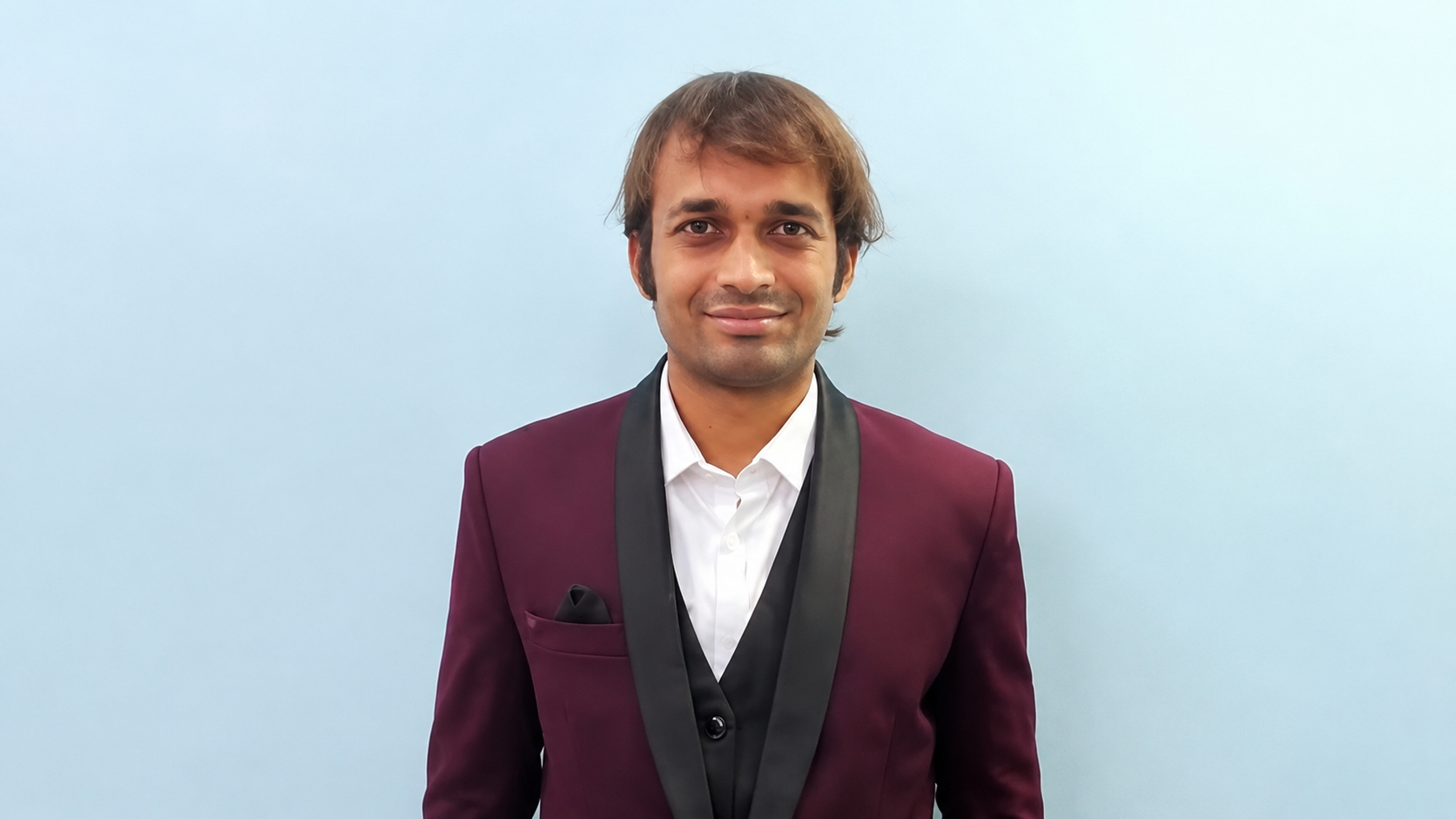
Course director · Semester exams
<p>Faculty lead for Education4U exam-focused programmes across aptitude, reasoning, computer science, electrical and electronics.</p>
More courses by this instructorStudent feedback
Reviews will appear here as learners complete the course.
Students also viewed